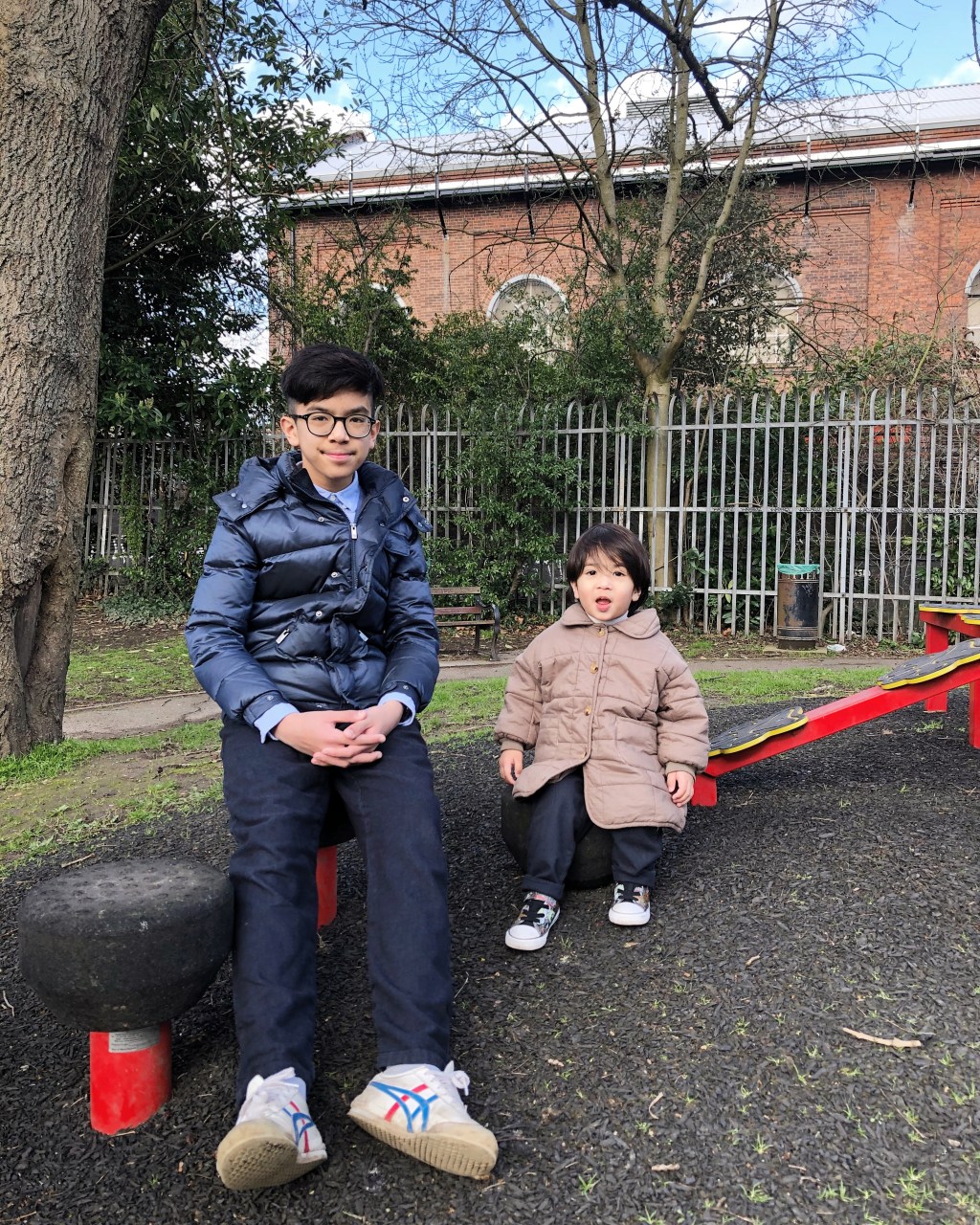
When people talk about migration, they often talk about opportunities. They talk about better education, better systems, and a better future. The narrative is usually optimistic, forward-looking, almost practical. Few people talk about what migration costs emotionally, especially when you leave not alone, but as a mother.
I did not leave Malaysia as a young, unattached woman chasing dreams. I left with a nine-year-old child who already had a life of his own. He had friends, teachers, familiar routines, and a world that made sense to him. When we decided to move, I carried not only my own uncertainty, but also the quiet weight of uprooting him from everything he knew. I often wondered whether he felt the loss more deeply than I did, even if he did not always say it out loud.
Malaysia was not just my birthplace. It was where I learned who I was. KL/PJ shaped my childhood in ways I only understood after leaving. School mornings filled with traffic and hurried breakfasts. Tuition classes after school. Shopping malls that felt like second homes. Family dinners that stretched into long conversations. Spontaneous mamak nights where laughter and teh tarik flowed easily. It was city life, fast, noisy, layered, and familiar. It was the rhythm of a place that had quietly formed my identity.
When we arrived in London, everything felt different. The streets were orderly, almost too quiet. People were polite but distant. Life felt structured and efficient, yet emotionally colder. There were fewer spontaneous conversations, fewer unplanned gatherings, fewer moments of chaotic warmth. I told myself this was the right decision, that stability and order were what my children needed. But belief is not the same as feeling.
At night, when the house was quiet, the weight of what we had left behind would return. My children grew up without the everyday presence of grandparents, without cousins dropping by unannounced, without festive seasons that felt crowded, loud, and full of noise. They gained stability, security, and predictability. But they lost proximity to family, to language, to the texture of Malaysian life that I had taken for granted.
I gained independence and resilience. I learned to navigate a new system, a new culture, a new way of being. But I also lost the comfort of being understood without explanation. In KL, I did not need to translate myself. In London, I was constantly translating, not only for others, but also for my children.
Some days, I feel grateful for the life we built here. Other days, I feel guilty for the life we left behind. Migration gave my children a different kind of future, one that I could not have given them if we had stayed. But it also gave me a permanent ache, a quiet longing that never fully disappears.
Leaving Malaysia was not just about moving countries. It was about accepting that life would never feel the same again, and learning to live with that truth, slowly, gently, and honestly.


 Nadia Fauzi
Leave a reply to grungeee Cancel reply