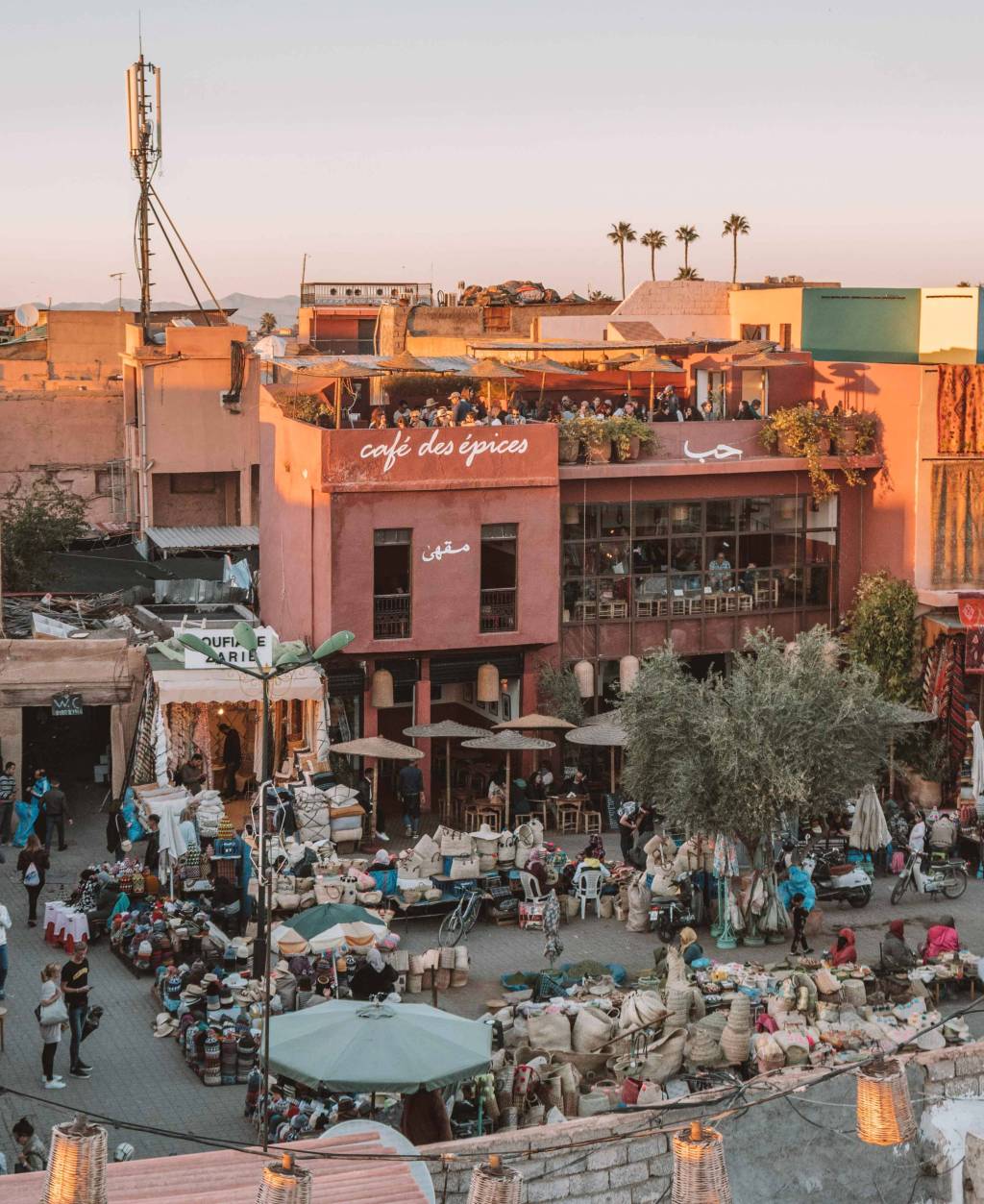
Almost nowhere in Morocco is tourism as strong as in Marrakech. Despite soaring to the top of the world’s bucket list in recent years, Marrakech has retained so much of its own character. It is a fabulous city, full of intrigue and wonder, but it is chaotic and can be intimidating when you visit for the first time, or maybe even the second or third time. Having spent a week in Marrakech exploring, I have put together the must-visit sights, the best places to eat, where to stay, and the top things to do.

Where we stayed
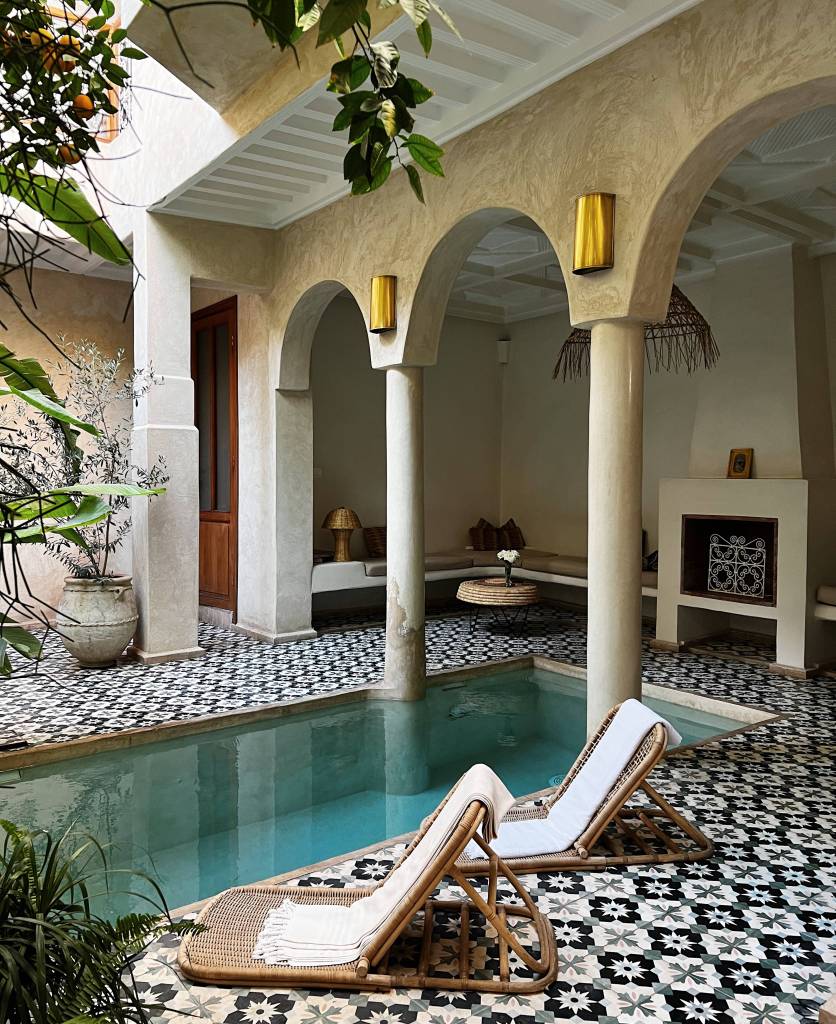
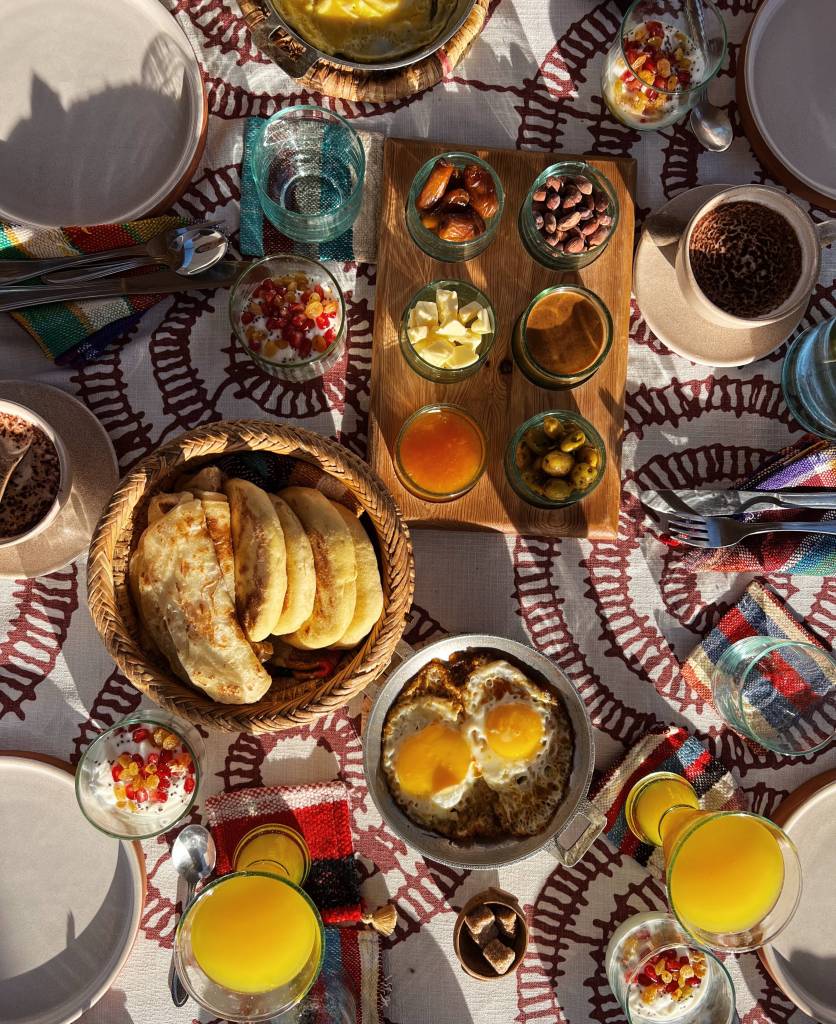
The hotels and riads are really beautiful in Marrakech. A riad is basically like a bed and breakfast that has roughly 8-10 rooms and a courtyard in the center. The riads are near the city centre and truly feel like a hidden oasis off the hustle and bustle of the busy streets of Marrakech. Each riad has an open air concept, most have a roof deck (where we also ate breakfast each morning), a small pool, and the most incredible decor!
We stayed at Riad L’Atelier and booked two rooms: one for my husband and I, and the other for our two children. We booked Number 4 and Number 5 and the staff at our riad (Ayoub, Mohamed and Mustapha) were extremely friendly and helpful, truly going out of their way to make sure we had the best time. I would advice you to stay in one of the many beautiful riads in the Medina on your first trip to Marrakech as many of the luxurious hotels are located further out.


What we did
Medina and souks
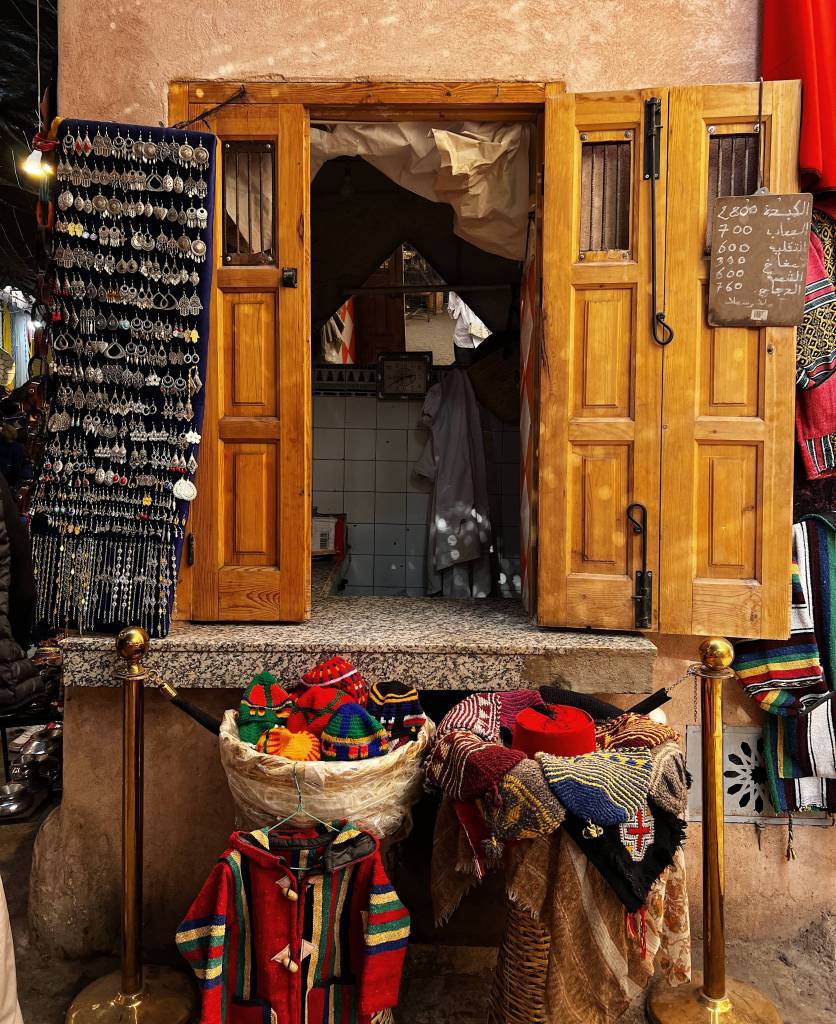
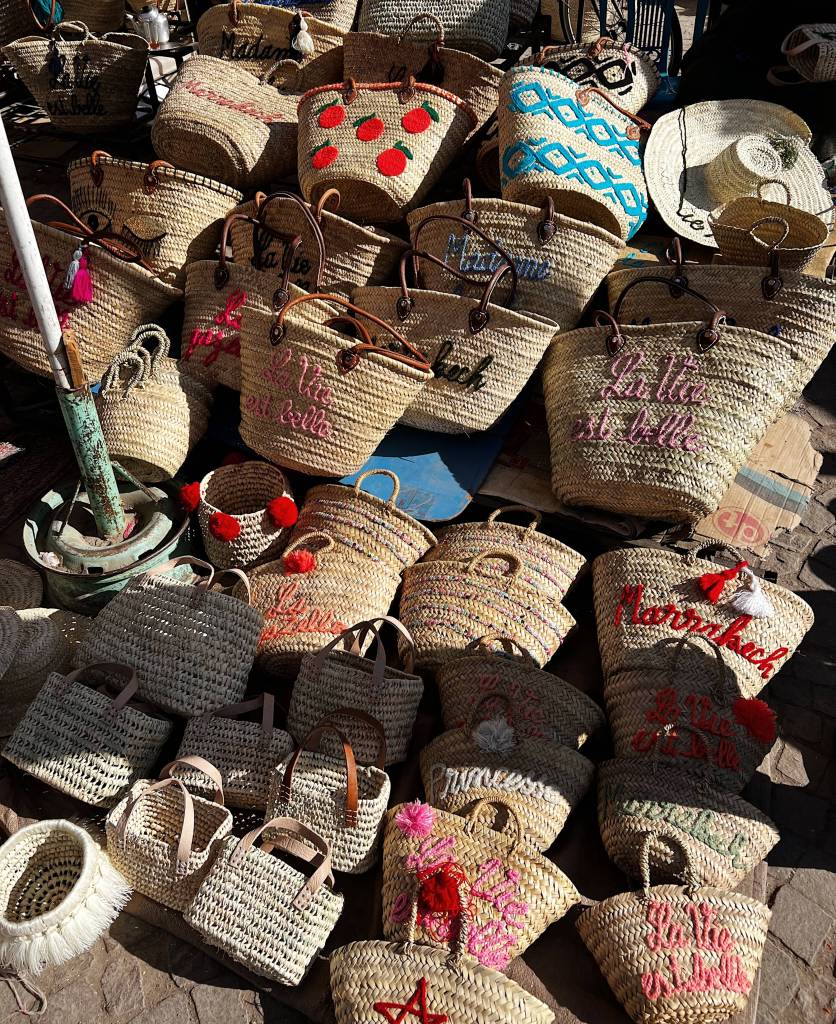
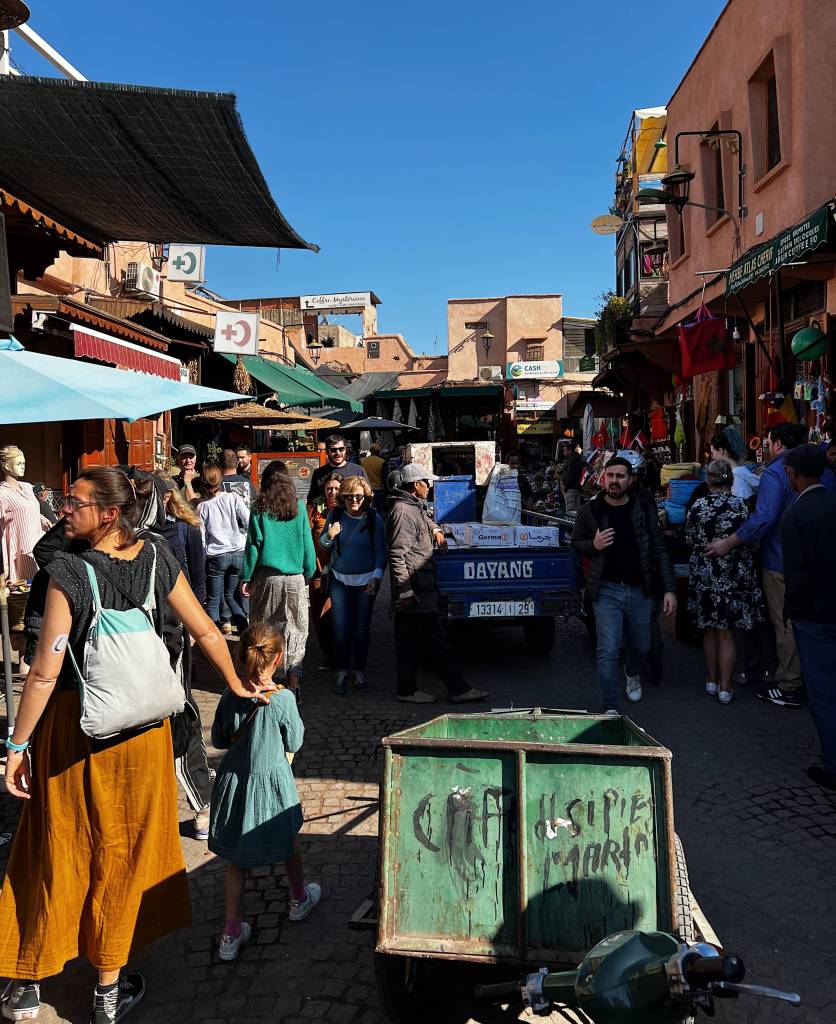
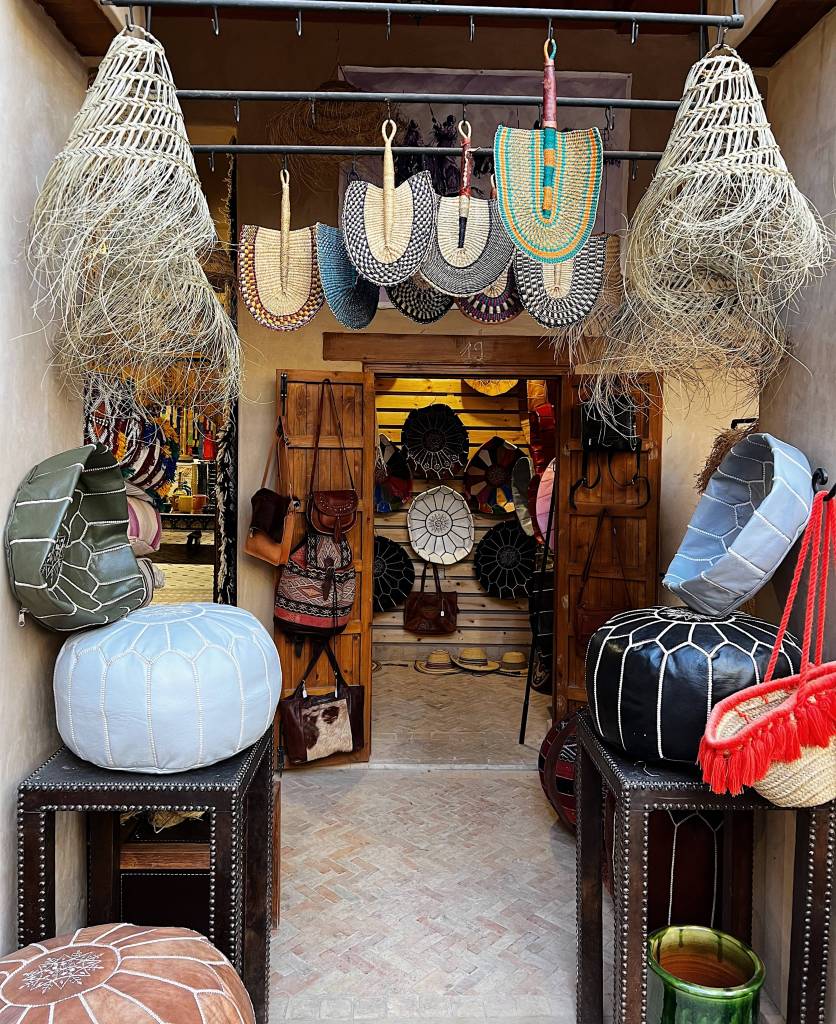
The Medina is the old town of Marrakech and a labyrinth of narrow streets. The souks are packed with the best Moroccan textiles, decor, treats, you name it! I wanted so badly to bring back a rug or a beautiful blanket, but it was too much to carry and I didn’t feel like buying a new suitcase. Allocate time, lots and lots of time, to check out the souks. You can get lost (quite literally) in them for hours, but it is so much fun walking around, checking out the shops, and picking up memorable pieces along the way. If you go north from Jemaa el-Fna (the huge square), you will get straight to the souks.
On Jemaa el-Fna, it is common for you to be asked for money as soon as you point your camera at locals. With the excitement, you don’t even notice that you might have someone in front of your lens. So just stay polite and tip. Furthermore, many people in Marrakech are not open to having their picture, or pictures of their products, taken. In fact, I saw several signs in the souks requesting no photography. The main thing is to ask permission to take pictures and be respectful if the answer is no. But please leave the animal shows with snakes and monkeys!


Camel ride and quad biking
Most people go to Morocco and visit the Sahara Desert but if you don’t have the time to spend more than 10 hours driving to the Sahara, the next best option is glamping at Scarabeo Camp in the Agafay Desert. Scarabeo Camp is a luxury camp located 45 minutes from Marrakech. You won’t get the soft sand from the Sahara, but the stone desert camp is just as amazing.
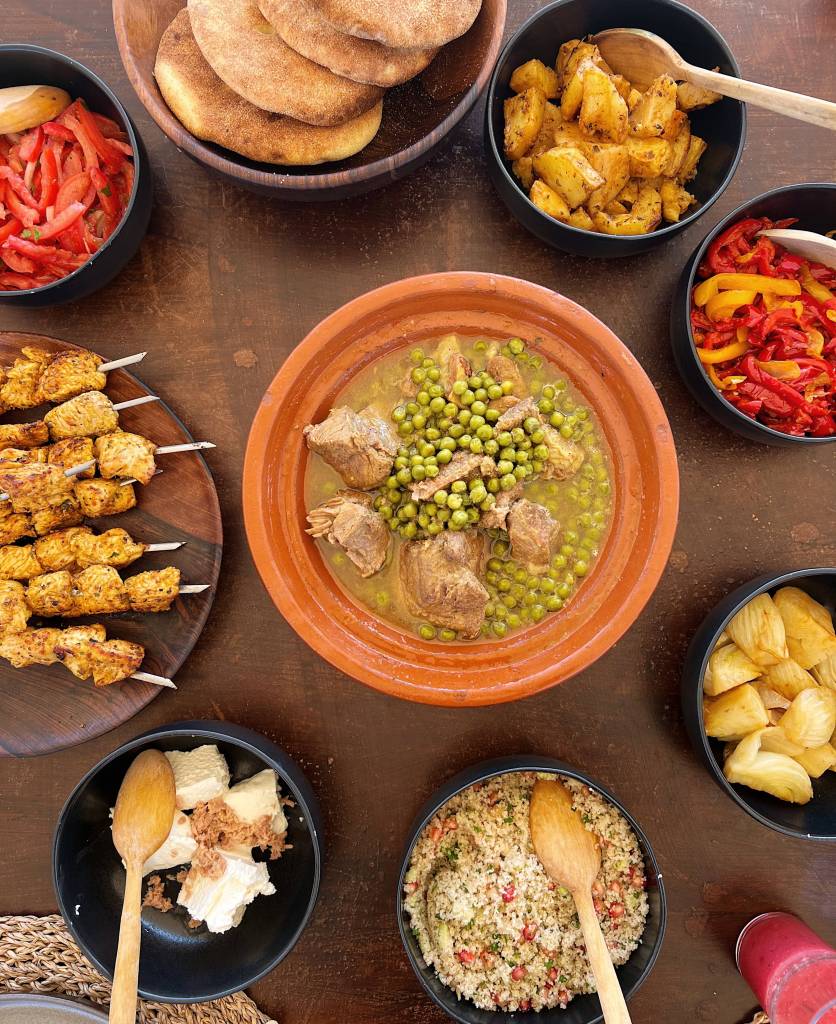
You can arrange for a return transfer from your accommodation with the camp at additional costs. We were picked up from our riad at 11am as we had booked lunch, camel rides, and quad biking for the day. When we arrived at the camp, we were greeted by the staff with fresh Moroccan treats and tea. The decoration around the desert makes you feel like you have gone back into time. They had old cameras, bags, globes, Moroccan lanterns, and Berber rugs throughout the main tent. The staff were very helpful, but also gave us space to enjoy the surroundings in privacy. Our delicious lunch was a traditional Moroccan cuisine in the form of couscous, salad, grilled capsicum, freshly baked bread, chicken skewers, and lamb tagine.


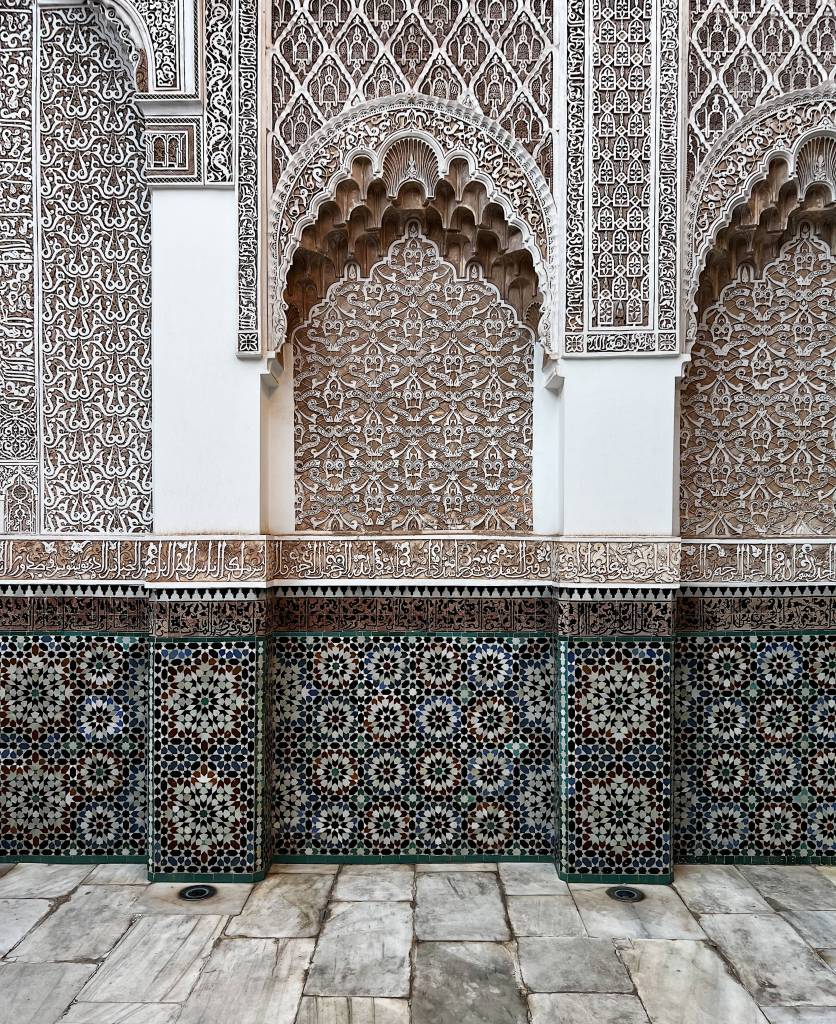
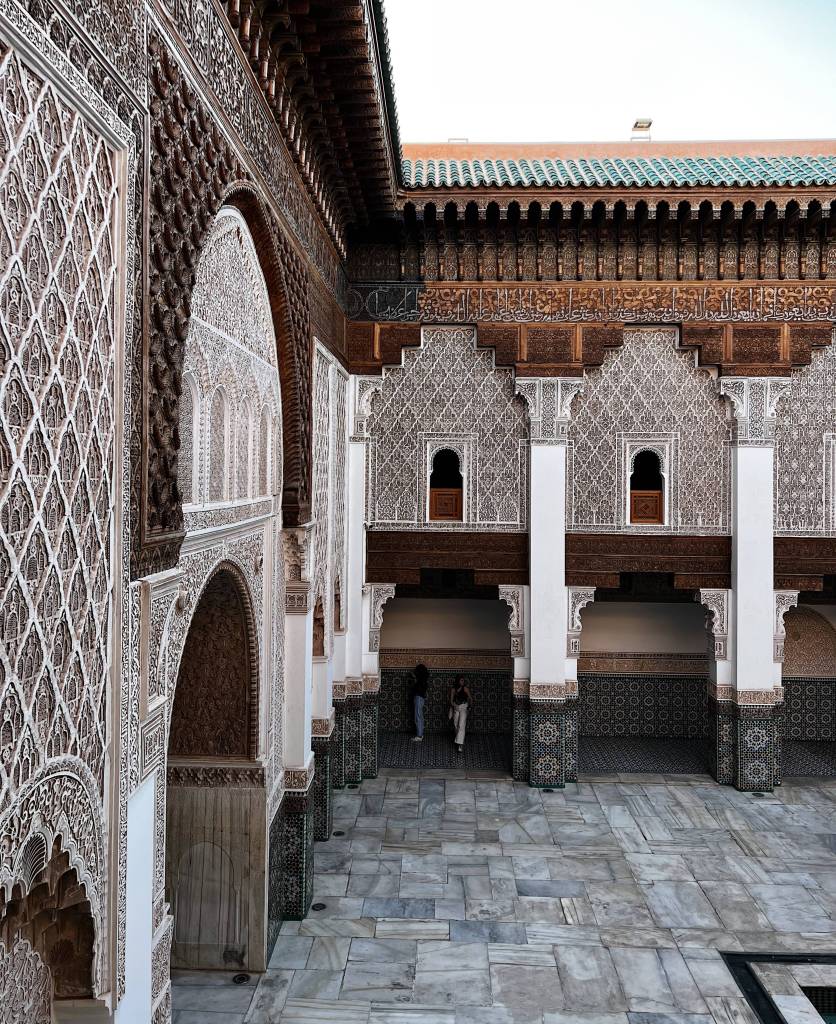
Ben Youssef Madrasa
On a trip to Marrakech, visiting the Ben Youssef Madrasa is a must. The Quranic college, founded in the 14th century, is one of the most beautiful sights in the city. With its delicate stucco work and mosaics, the madrasa is a brilliant sample of the Islamic architecture.
The college was founded during the reign of the Marinid Sultan Abu al-Hassan, taking its name from the neighbouring Ben Youssef Mosque. Initially a modest madrasa, it was later reconstructed during the Saadian Dynasty by Abdallah al-Ghalib, the second Saadian Sultan of Morocco. It became one of the Islamic world’s most prolific centre for learning, serving as a school for almost five centuries until it stopped taking students in 1960. The college boasts some 130 rooms and, at its height, could accommodate as many as 900 students at a time.

Jardin Majorelle (Majorelle Gardens)
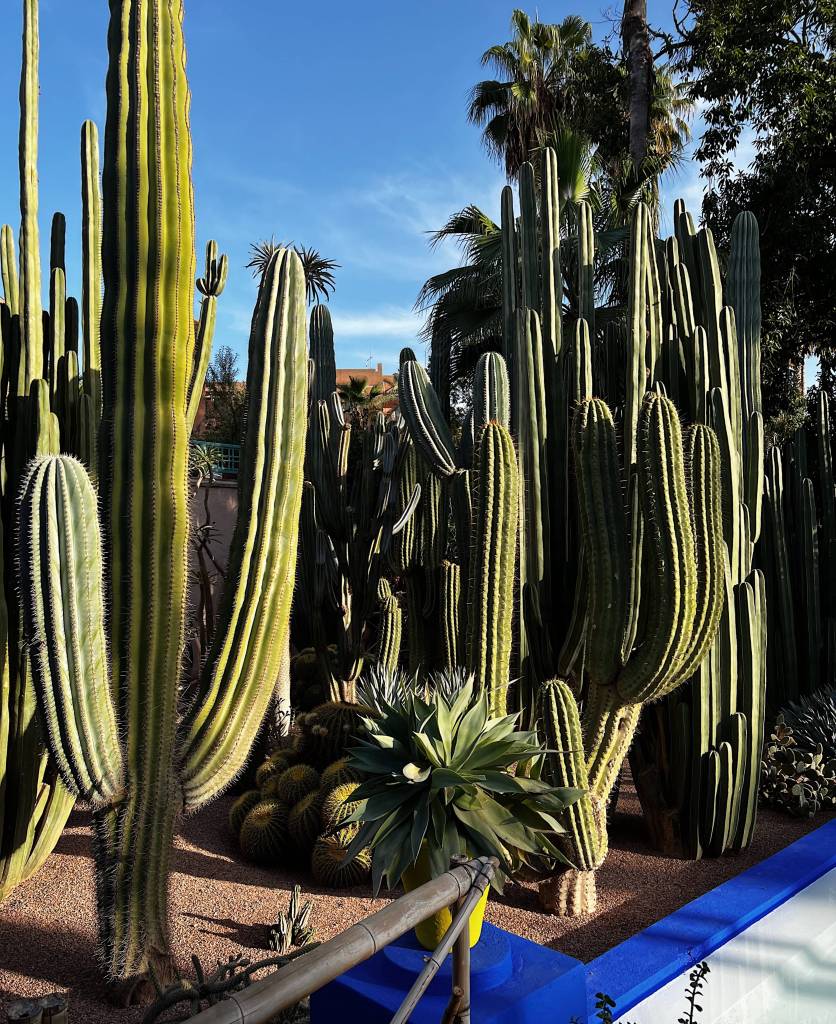
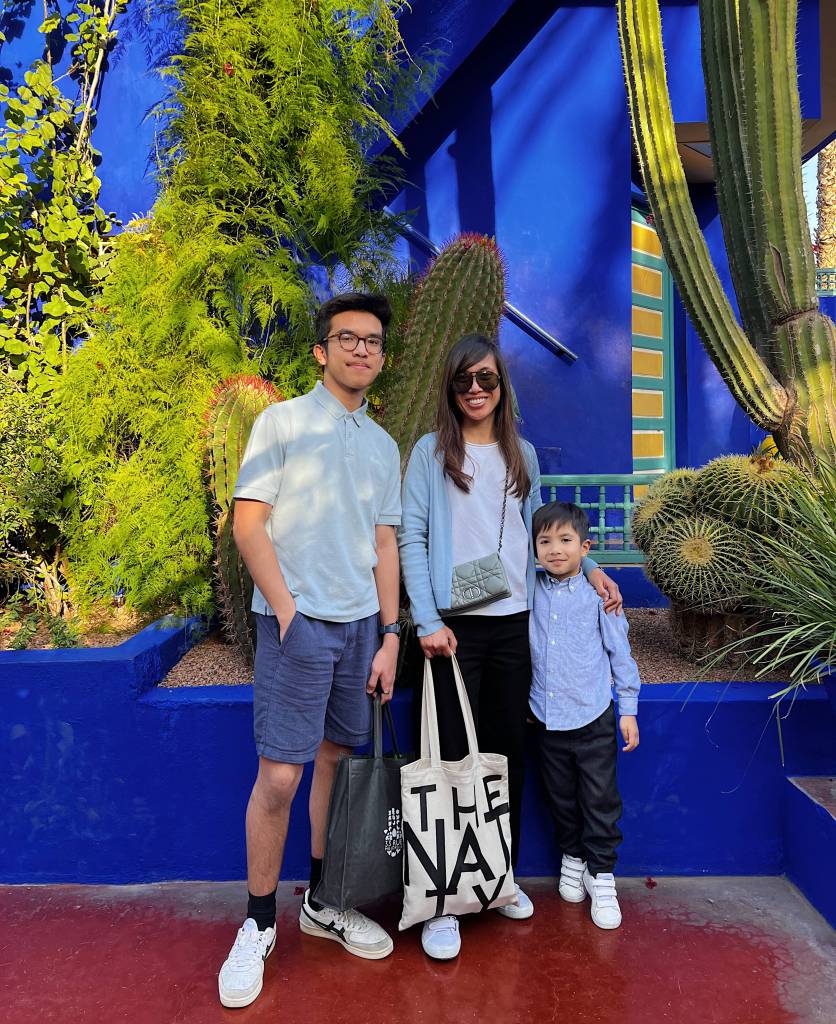
We took a taxi booked by the riad to get to the gardens and it is a quick ride outside the city walls.We spent about an hour and a half there checking out the gardens and beautiful landscape. Definitely worth a visit and I would suggest getting in early to avoid the crowds (the line to buy tickets was pretty long). However, there is a special queue for pregnant women and family with young children.
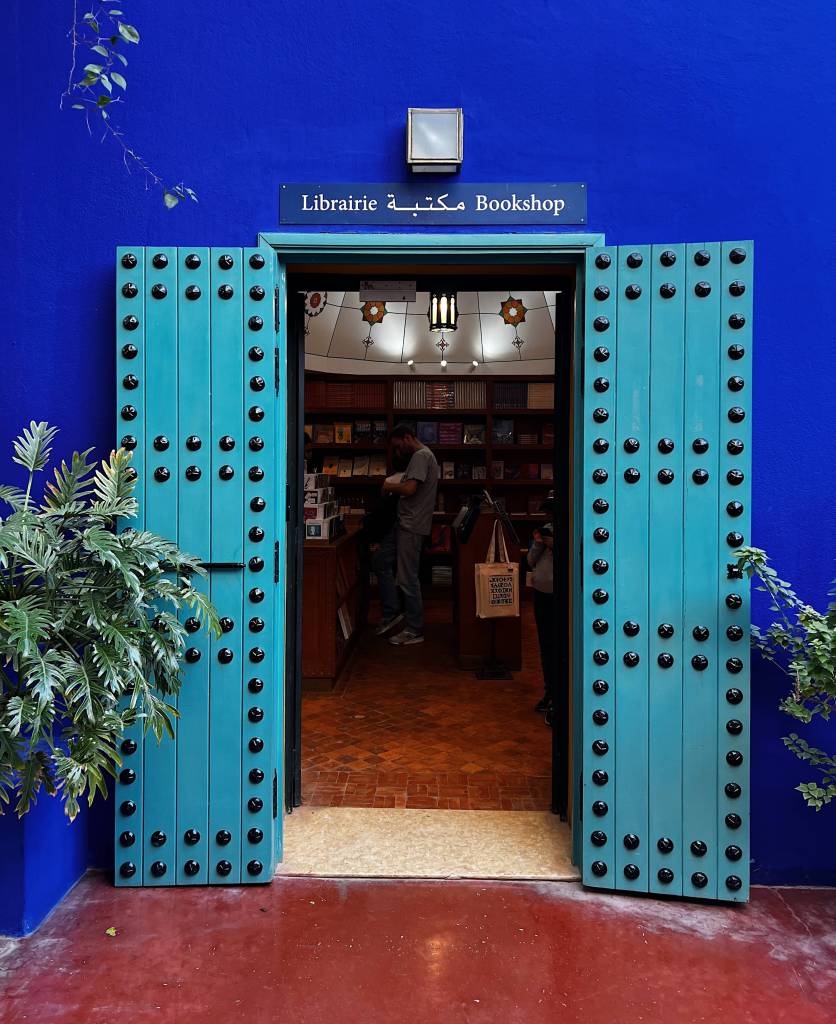
French fashion designer Yves Saint Laurent and his partner Pierre Bergé bought Jardin Majorelle in 1980 to preserve the vision of its original owner, French landscape painter Jacques Majorelle, and keep it open to the public. The garden, started in 1924, contains a psychedelic desert mirage of 300 plant species from five continents. At its heart lies Majorelle’s electric-blue art deco studio, home to the Musée Berbère, which showcases the rich panorama of Morocco’s indigenous inhabitants through displays of some 600 artefacts. Jardin Majorelle also houses a pretty courtyard cafe, a small book and photography shop, and a chic boutique selling Majorelle blue slippers, and textiles. All areas of Jardin Majorelle are wheelchair and stroller accessible.


Koutoubia Mosque and La Mamounia
The minaret of the Koutoubia Mosque is the defining architectural feature of Marrakech’s Medina. The mosque was built during the 12th century by the Almohad Dynasty. Today, at 70m high, the minaret remains the highest structure and the largest mosque in Marrakech. Local laws restrict any new building projects from exceeding the height of the minaret, providing a focal point for all to enjoy.
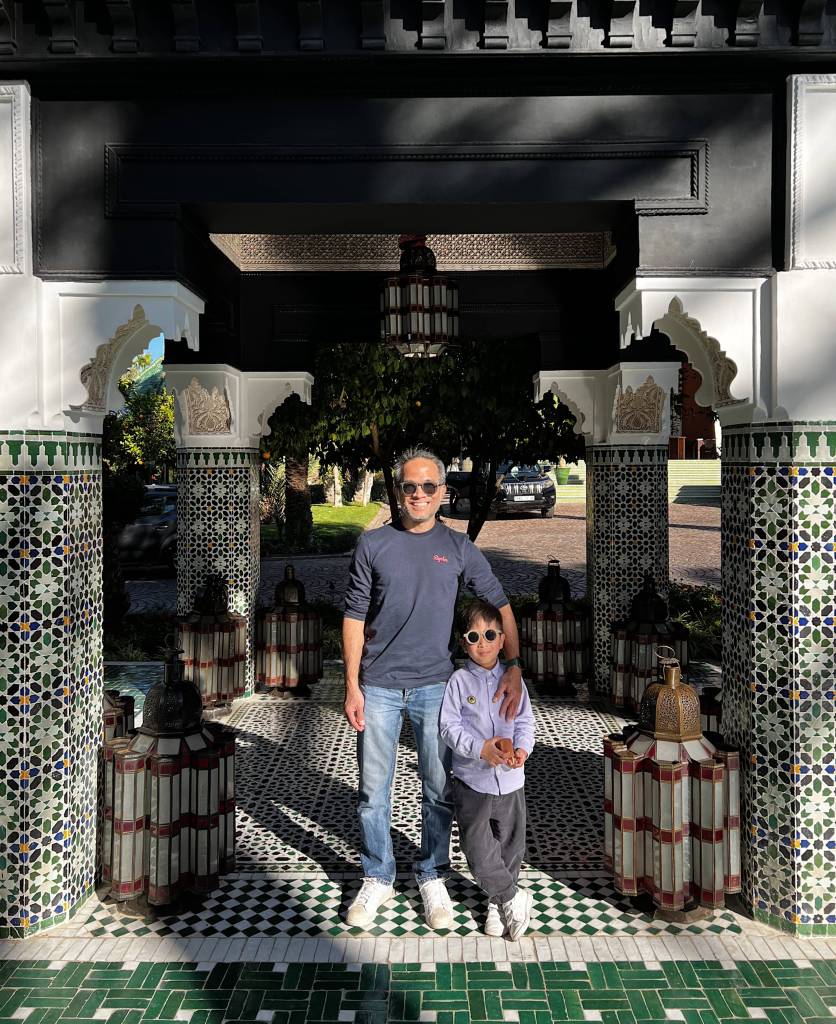
After the Koutoubia mosque, we made the short walk through Parc Lalla Hasna to La Mamounia. Nearing the end of the park, the scale of the hotel becomes evident, but you can’t truly appreciate its architectural splendour until you are safely through the security gate. La Mamounia maintains an elegant dress policy in all areas at all times. This means no beach shorts, bikinis on show or midriff peeping out. The gardens are expansive, with tennis courts, immaculate flower beds and lawns, and beautiful terraces to relax in. It’s easy to forget about all the chaos outside the garden walls.


Le Jardin Secret
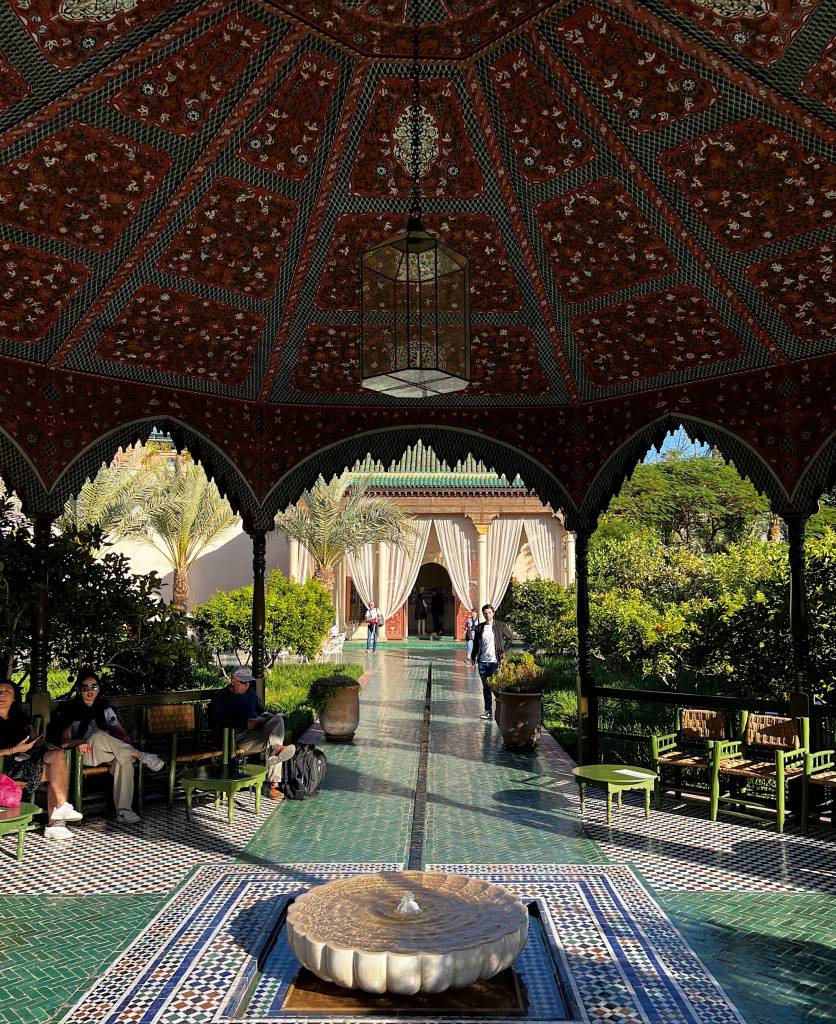
Le Jardin Secret was in the 19th century one of the largest riads in the medina of Marrakech and belonged to the Chancellor of Sultan Moulay ‘Abd-al-Hāfiz, who was the last Sultan of Morocco before the French protectorate. It has been the home of some of Morocco and Marrakech’s most important political figures. Located in the ancient Medina, this is one of the last treasures that Marrakech has opened to millions of citizens and tourists.
There are two main gardens, the Exotic Garden and the Islamic Garden. The Islamic Garden is divided into four parts with a fountain in the middle. Featuring local flora, there are olive, pomegranate, fig, and citrus trees in this garden. In the Exotic Garden, you will see colourful plants and bushes from 5 different continents. The composition of the colours and shades is amazing.


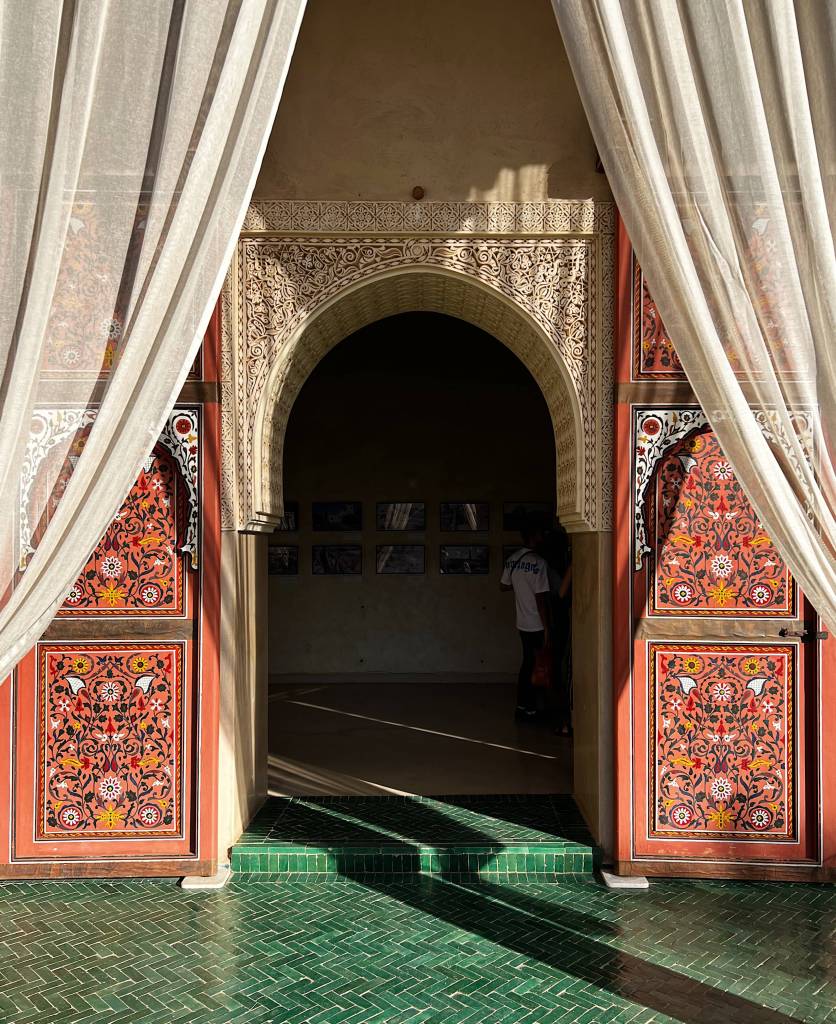
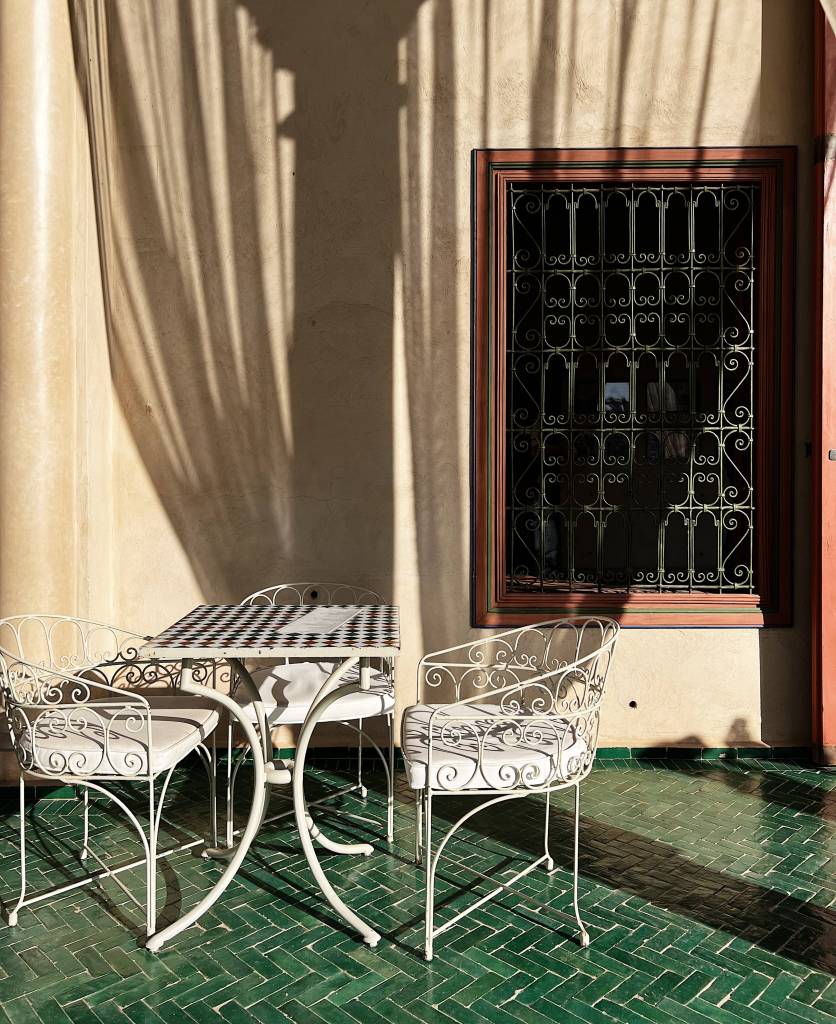
Walk around and explore!
Marrakech is the third-largest city in Morocco and it is divided into two main parts: the old city where the historic centre is located (Medina) and the more developed, modern district with European influences.
If you want to have a full-on Marrakech experience, spend most of your time in the lively Medina. The most beautiful part of the Medina is its maze of narrow streets that transport you back in time. Throw your map in the garbage and lose yourself in the excitement, while dodging mopeds, donkeys, and carts. Admire the colours of the walls and buildings, the smell of the food and spices, and speak to friendly locals. Most unique of all is the Adhan / Azan (the Islamic call to prayer recited by a muezzin at prescribed times of the day) coming from the many mosques nearby echoing the narrow streets. To experience this high up, head to one of the many rooftop cafes.
To get help navigating, the best people to ask are the shopkeepers or those who are working in the souk. They will point you in the right direction usually without wanting anything in return. Irwan has had to ask for directions from shopkeepers on our first day to get to an ATM and we have been warned by the staff at the riad to be careful with strangers pretending to give directions. We always try to walk with purpose and try not to look lost, even when we are. That way someone is less likely to try and take advantage of our situation. As a last resort, Google Maps to the rescue!
Haggling is a national sport in Morocco and I don’t want to say that everyone is trying to rip you off, but most will give it a good go. A lot of shops sell the same stuff, so you can definitely get a good price if you shop around and aren’t too hasty in your purchases. Irwan did the bargaining for me and he’d usually start at a third or a quarter of the first price. Do not feel bad about bargaining, it is part of the culture if done politely. Do not bargain if you don’t intend on buying, as it is considered rude. If you get invited for tea inside, you are expected to buy something even if it is small. It is certainly ok to accept, but you should buy something out of respect.
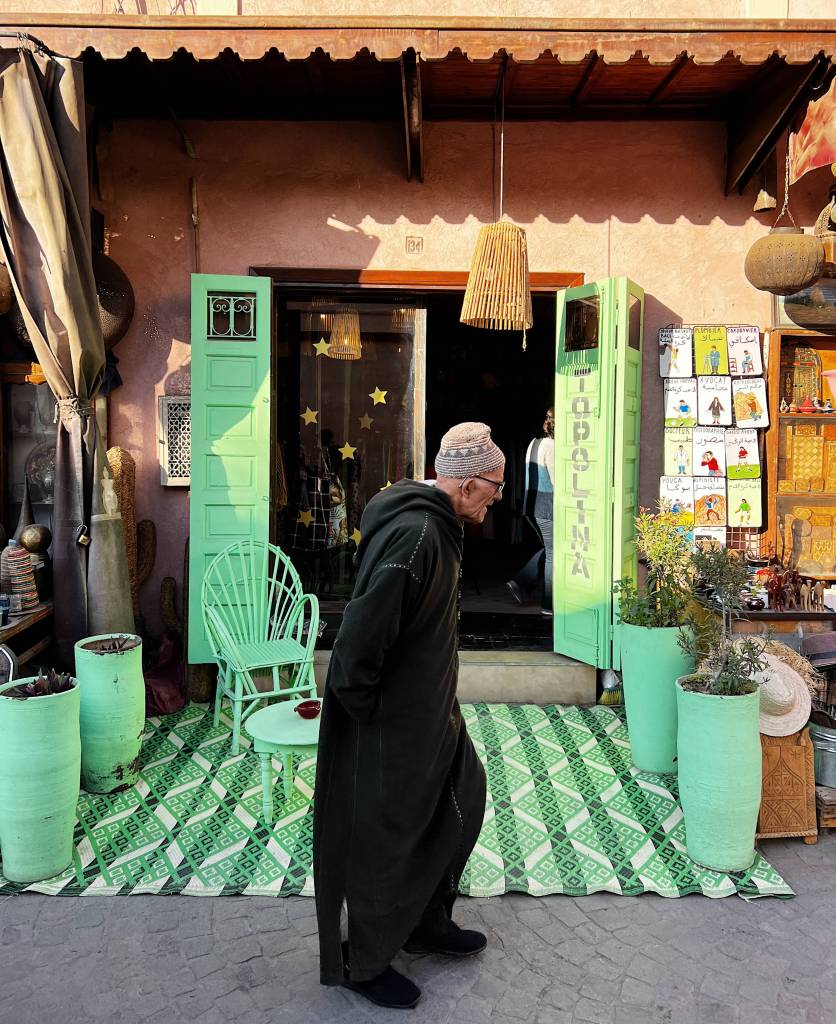
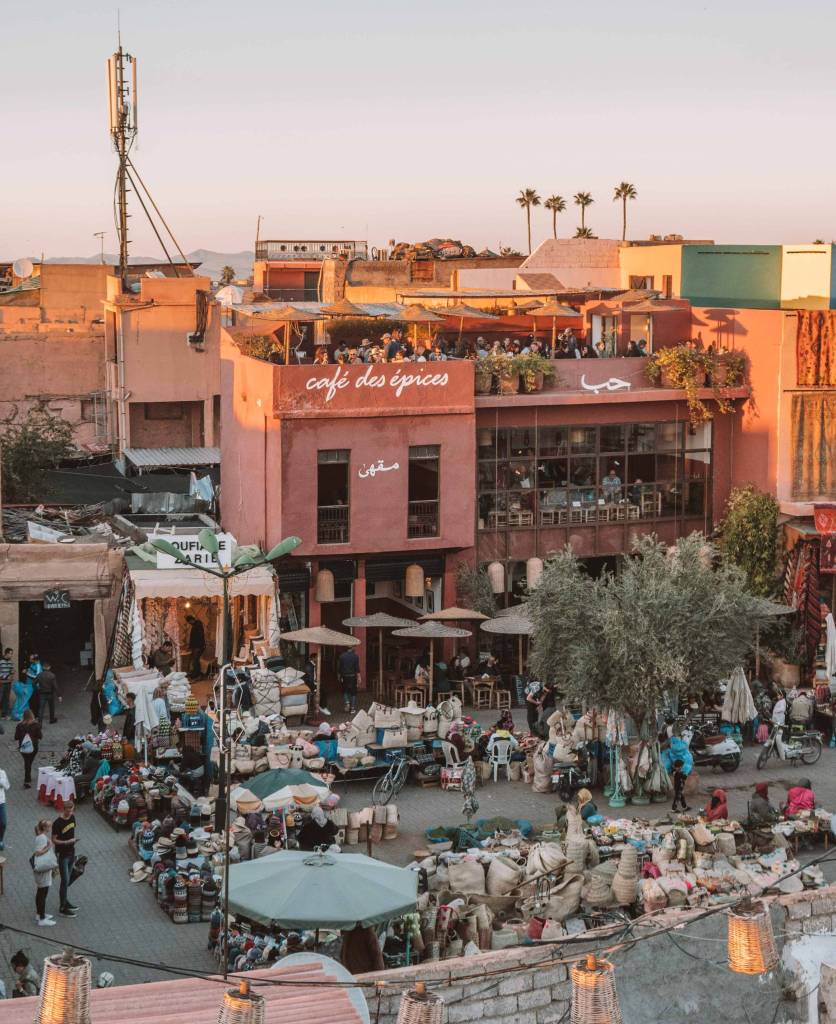
Where we ate
Marrakech has an incredible variety of restaurants and cafes. There are simple, inexpensive street restaurants as well as hip, international trendy restaurants. You shouldn’t miss two specialties in Morocco: mint tea and tagine. Mint tea is drunk on almost every occasion in Morocco and is characterised by the fact that it is very sweetened. The second specialty is tagine, a braised vegetable and meat dish that is prepared in an earthenware of the same name and is often served with couscous.
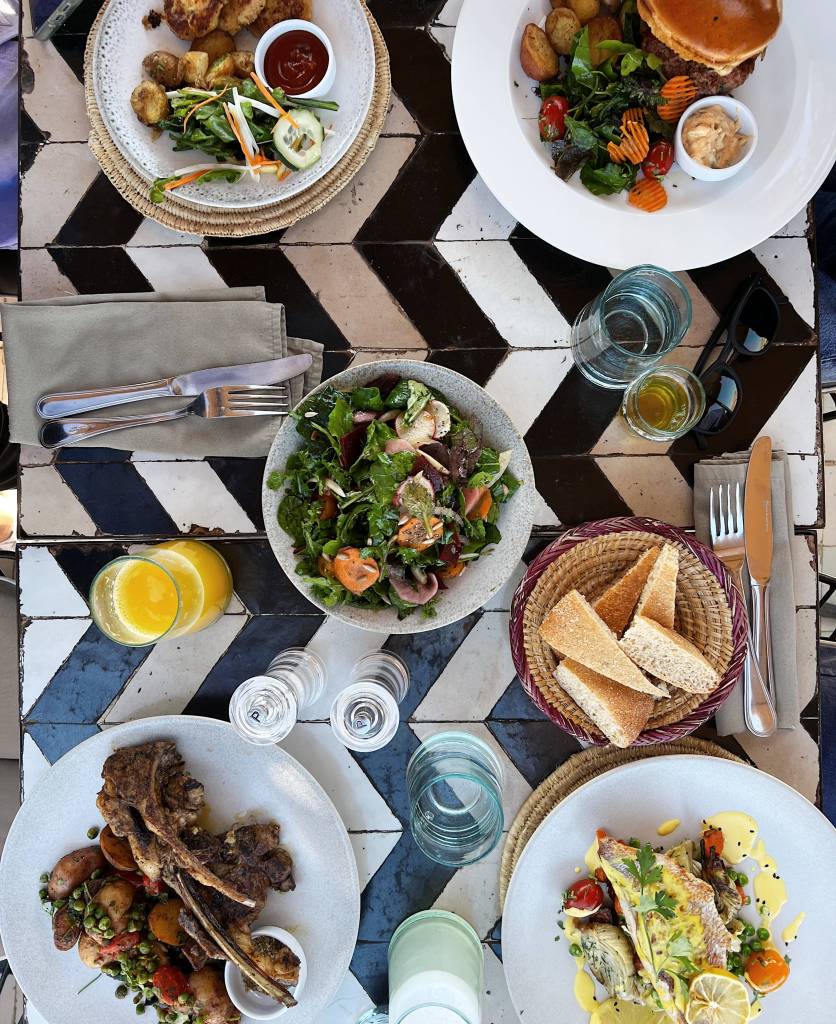
Nomad: We opted for lunch here on the day we spent exploring the souks. It is right in the heart of the main square and the perfect location to sit out on the roof. Also great for snapping an Instagram! The restaurant is super busy so I would recommend booking ahead if you want to be seated on the rooftop. You’ll have views overlooking the Medina with the Atlas mountain in the background. We ordered the fish, lamb chops, and lamb burger and they were delicious!


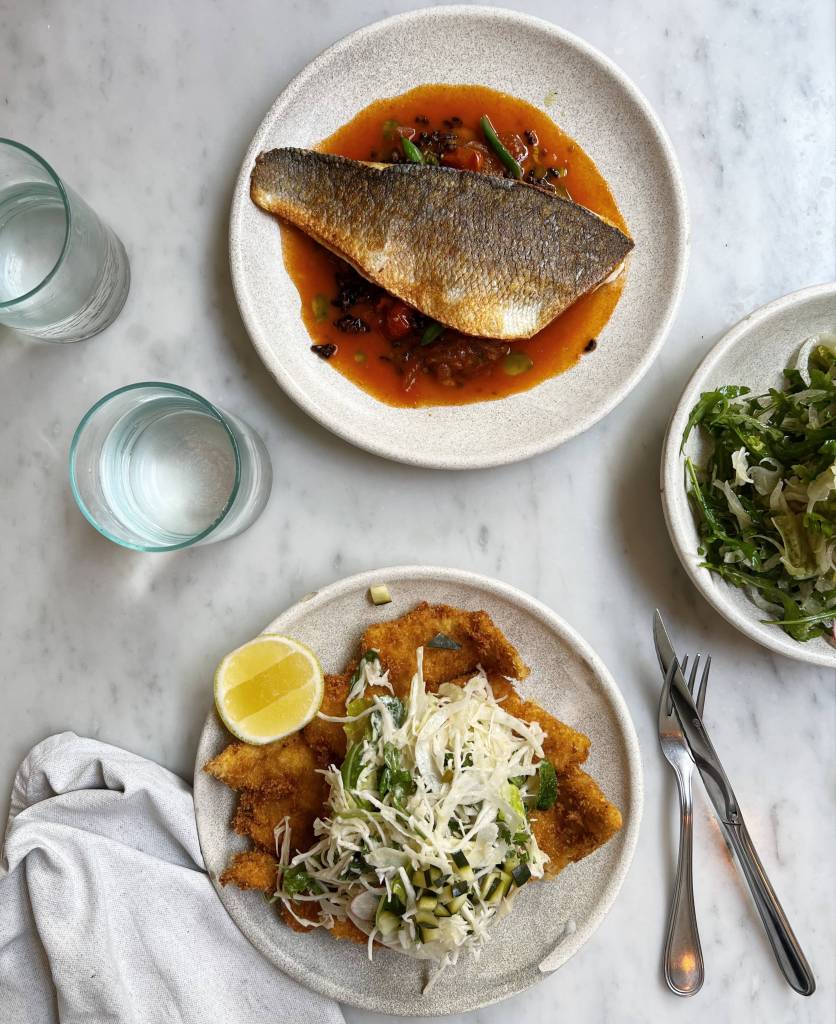
+61: +61’s lunch menu is quintessentially Australian: ingredients are as fresh as they can get with the fruits and vegetables sourced from local farmers. Bread, pasta, cheese, and yoghurt are made fresh in-house every day. The meals are inspired by various different cultures, reflecting the multiculturalism of Australia. The menu is subject to seasonal changes, so the meals are always perfectly suited to the season. We had the fried chicken, green salad, steak sandwich, chicken schnitzel, and fish of the day shared amongst the four of us.

L’Mida: We ate here on our last day in Marrakech and it was the most average food we had eaten on our trip. The menu was also rather limited. However, my impression is perhaps unique because L’mida was packed with people by the time we left.
Le Bar Majorelle: Le Bar Majorelle is a colourful place in La Mamounia that takes its name from the famous Jacques Majorelle, French orientalist painter, and Marrakech lover. With Pierre Hermé at the controls, it has the flavour of a refined bistro and a menu of small dishes to share. It is also the only place I’ve seen alcohol and pork served. We whiled away the afternoon eating club sandwich and cakes in the shade of the picturesque and historic pavilion.
Glovo: There were a few evenings when the kids were tired and we ordered food via the Glovo app. You need to download the app, register for an account, and have a local mobile number (we used one of the riad’s staff’s mobile number). Delivery charge is very reasonable and food arrived within 20-30 minutes.
Tips
Airport transfer: Flights to Marrakech arrive at Menara Airport (RAK). A valid passport is required for entry into Morocco. Malaysian and British nationals do not need a visa to enter Morocco for the purpose of tourism for up to 3 months. Taxis are available at the airport but best to arrange transportation with your hotel. If you are staying in the Medina, be aware that cars can’t make it through the narrow streets to drop you off directly at your accommodation. Your riad or hotel can arrange for staff to meet you at a drop off point and walk with you to your destination.
ATM / cash: We usually use Monzo / Revolut (BigPay equivalent) when we travel as the rates are spot on. In Morocco, you will be charged by the local banks when you withdraw cash in addition to the ATM fee from your own bank (not applicable to Monzo, Revolut, BigPay and the likes). As the Moroccan Dirham (MAD) is a closed currency, you can only get it in Morocco. Also, the ATM dispenses a maximum of MAD2000 (RM850 / £160) per transaction and you can withdraw up to three times per day. You can also change your money at the airport as the banks and foreign currency exchange counters after Customs offer very competitive rates. Bear in mind that unless you’re eating in upmarket restaurants or shopping in fancy boutiques, it is cash, not card, that reigns supreme.
Clothing: As far as Muslim countries go, Morocco is relatively relaxed, but you will still draw an awful lot of unpleasant and unwanted attention should you choose to venture out in anything too revealing. So, keep the swimwear for the riad pool and stick with something that at least goes beyond your knees, and covers your shoulders and chest when exploring the streets.
Pickpockets: The streets are packed, it’s a big city, and poverty (to an extent) is an issue. Just be smart, and you’ll be fine. Oh, and be sure to have a decent travel insurance.
How to get around Marrakech: For the vast majority of your time in Marrakech, your two feet will be enough, especially as many of the best things to do in Marrakech are in the car-free, labyrinthine streets of the Medina where you have no choice but to walk! For any attractions outside of the city centre, I’d recommend getting a taxi. You can find taxi ranks outside of the Medina walls, or alternatively we got the staff at the riad to arrange one for us. We saved the driver’s number and called him whenever we needed a ride outside of the Medina. On the other hand, you could also be part of Africa’s first bike-sharing movement and grab a pair of wheels from Medina Bike. Day passes cost MAD50 and allow three hours worth of rides for a 24 hour period. You can find full details on the service here.
Language: Just like in the rest of Morocco, Marrakech’s main language is Arabic. However, the Berbers, which is the largest ethnic group in the city, still speak their own version of an Arabic dialect. Due to extensive French influences in the region, French also functions as a central language. As a tourist, relying on French over English would be the safest bet, seeing as many locals don’t speak fluent English, unless you’re in the main tourist areas. If all else fails, there’s Google Translate, which I have used on occasions, to get my points across in Essaouira.
Travelling with children: Morocco is generally a very family-centric country. Most homes in Morocco have large families and kids are loved dearly wherever you go. Children also often tend to break the ice easily with locals, leading to warm conversations and experiencing a better understanding of their culture. Another advantage of travelling with children to Morocco is that most scammers will usually stay away from you.
However, due to its bustling markets, sounds and sights, Marrakech might be a little overwhelming for children. It is important to slow down whilst exploring Marrakech with children and not rush through your day. Take it easy from noon until 4pm and keep them adequately covered and hydrated.
One of my best tips for Marrakech is to just go with the flow. It is good to have a bit of a plan for Marrakech and book some things in advance (good restaurants, tours etc) but you should leave a bit of time to just let Marrakech happen; to wander, to get a bit lost, and let the chaos unfold around you.
Let me know in the comment section below if I have missed anything out!


 Nadia Fauzi
Leave a comment